
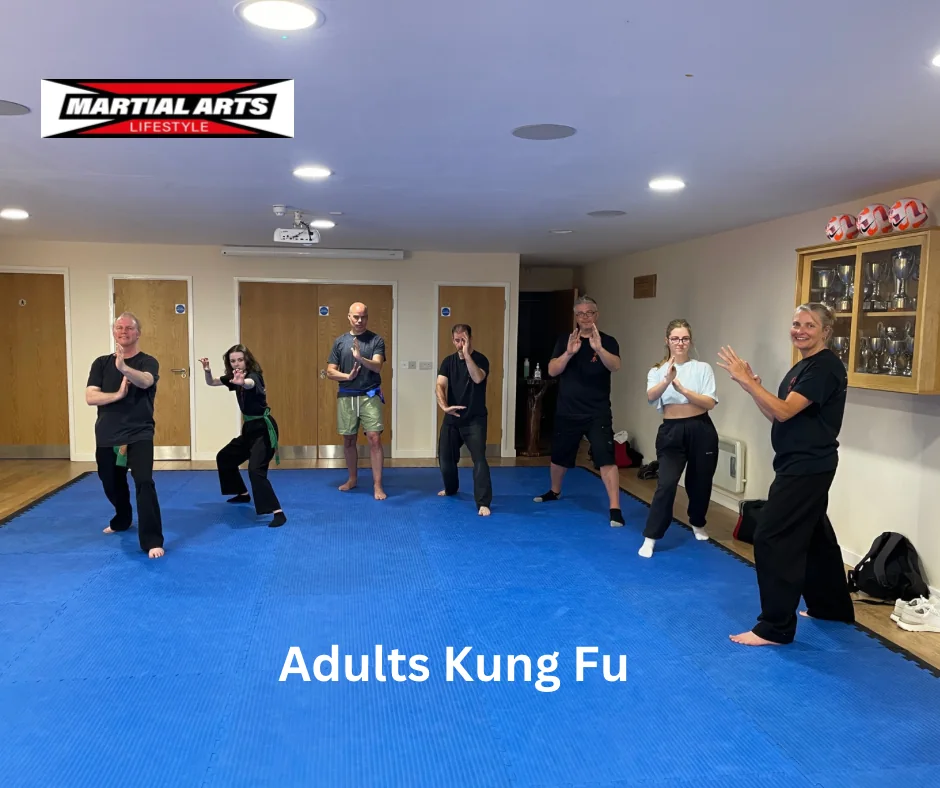
Quick answer: Both a parent and a teenager aged 13+ fit Martial Arts Lifestyle's published Adult Kung Fu age range. The public information does not confirm that relatives can attend the same current session or work as partners, so include both names and ages in one enquiry and wait for the academy to confirm the arrangements before travelling.
Yes, in terms of the published age band: Martial Arts Lifestyle lists Adult Kung Fu for ages 13+, so a parent and a teenager aged 13 or over are both eligible to ask about the programme. What is not published is whether they can attend the same current session, whether two places are available or whether relatives work together during class. Confirm those details before planning to start as a pair.
Age eligibility is only the first check
The academy presents Adult Kung Fu for people aged 13+ at different experience levels. That means a complete-beginner parent and an age-eligible teenager do not need to choose separate programmes simply because one is an adult and one is under 18.
However, an age range does not establish the current class composition or timetable. It also does not guarantee that one session will suit both people’s starting points. Send one clear enquiry that includes:
- the teenager’s age;
- whether either person has previous martial arts experience;
- any relevant movement, health or support consideration;
- the fact that you hope to attend the same introductory session; and
- whether training together matters to your decision.
The academy can then confirm the suitable current session and tell you whether each person needs a separate registration.
Starting together does not mean doing everything together
A shared first class can make the experience feel less unfamiliar, but it is useful to separate arriving together from being partners throughout the session. The public pages do not explain how students are grouped, whether partner work is included or how an instructor adapts activities for different experience levels.
Ask what the two of you are likely to do independently and what may involve another student. If either person would be uncomfortable with contact or partner work, say so before attending and ask what the introductory class involves. Do not assume that a family relationship guarantees a particular pairing or activity.
The NHS includes getting active with friends or family among its general ideas for becoming more active. That can be helpful motivation, but it is general guidance—not evidence that Martial Arts Lifestyle runs a family class or that two relatives will follow an identical training plan.
Make space for two different decisions
Going together can still lead to different conclusions. One person may enjoy the pace immediately while the other needs more explanation or another visit. A useful conversation after the class is not “Who was better?” but:
- Did each of us understand how to ask for help or pause?
- Did the teaching feel clear at our separate starting levels?
- Did we each feel comfortable with the group and activities?
- Would either of us prefer to continue independently?
- What does the instructor recommend as the next step for each person?
The general guide to what to expect at a first martial arts class covers clothing, arrival and the purpose of an introductory visit. The separate teenager guide explains the age-13 transition and questions about joining a programme labelled “Adult”.
A teenager is still a young person in an adult-labelled programme
A parent should confirm the academy’s current arrangements for anyone under 18, even when the programme name and age band include them. NSPCC Sport’s five questions for parents cover staff checks, safeguarding policy, accident procedures, the person responsible for concerns and relevant training.
Those questions are a checklist, not proof of Martial Arts Lifestyle’s current policies. Ask the academy directly, especially if the parent will sometimes be absent or if the teenager may later travel to training independently. The academy’s frequently asked questions gives the general enquiry route but does not replace a conversation about a specific young person.
Confirm the joint visit before travelling
Martial Arts Lifestyle lists Adult Kung Fu at North Petherton Football Club, Parkers Field, North Petherton, Bridgwater, Somerset, TA6 6PN. The academy does not publish a complete current timetable, class capacity, price list, equipment list, partner policy or family discount.
This is also different from coordinating siblings across several age-banded groups; that separate sibling class guide covers programme matching and venue logistics.
If you and your teenager would like to begin together, request a free class and include both names, the teenager’s age, both experience levels and your request for the same session. Wait for confirmation before travelling, then treat the visit as two individual decisions made with the benefit of shared support.
Frequently asked questions
Can a 13-year-old and their parent both try Adult Kung Fu?
Both are within the published 13+ age range. Martial Arts Lifestyle still needs to confirm that the same current session is suitable and has space for both people before they attend.
Will a parent and teenager train as partners?
That is not confirmed by the current public information. Ask how partner activities are arranged and whether relatives may work together, rather than assuming they will be paired.
Do we need to make two free-class enquiries?
The public booking information does not state whether one or two registrations are required. Put both names and ages in the enquiry and ask the academy to confirm the correct booking process.
What if one of us has trained before and the other is a beginner?
The programme is presented for different experience levels, but the academy does not publish how mixed-experience activities are organised. Explain both starting points so the instructor can confirm a suitable session.