
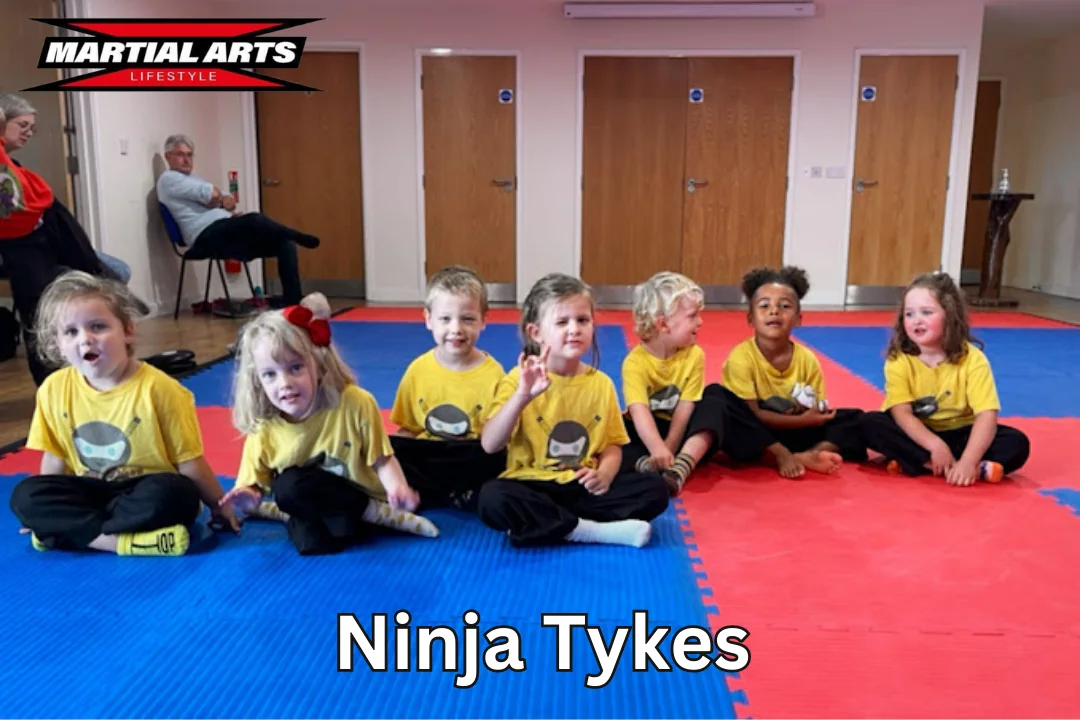
Quick answer: Choose the format your child is most likely to explore now. Ninja Tykes is Martial Arts Lifestyle's martial arts route for ages 3-5; North Petherton also has age-banded football, rugby and other activities. Compare real visits using the same questions about instruction, parent involvement, practical commitment and your child's response.
Choose the activity format your child is most likely to explore now, not the one with the biggest promised outcome. Martial Arts Lifestyle publishes Ninja Tykes Martial Arts for ages 3-5. Current local listings also show preschool football, rugby, dance and other options around North Petherton and Bridgwater. None is automatically the best first activity: compare what the child will do, the parent’s role, the practical commitment and how your child responds to one real visit.
Start with the experience, not the label
“Martial arts”, “football”, “rugby” and “dance” name an activity, but they do not tell you the complete class experience. Two preschool groups can differ in how long children listen, how often activities change, whether a parent joins in, how much equipment is used and what happens when a child wants to watch before participating.
For Martial Arts Lifestyle, the verified starting point is limited but clear: Ninja Tykes is the academy’s 3-5 programme at its North Petherton venue. A complete current timetable, session plan, parent-observation rule and equipment list are not published. Ask about the actual session rather than assuming that every early-years martial arts class follows the same format.
The same rule applies to another provider. Read its current age group and visit information, then confirm anything that affects the decision directly. Do not compare one provider’s detailed current page with a guess about another.
Match the format to what your child wants to explore
Use ordinary observations instead of trying to predict a long-term result.
A martial arts introduction may be worth trying first if your child is curious about copying an instructor, practising simple movements and exploring a group routine. A ball activity may be the clearer first experiment if they keep choosing throwing, kicking or chasing games. Dance may appeal when music and expressive movement hold their attention. Free outdoor play may still be the most useful activity on another day.
These are starting clues, not ability tests or promises about a class. A child can enjoy several formats, change their mind or need time to settle into any organised group.
The NHS guidance for children under five recommends varied activity across the day and gives examples ranging from active play and dancing to swimming, climbing, throwing and catching. It does not say that every preschooler needs one particular club. A weekly class is one possible part of an active week, not a replacement for varied movement and play.
Compare one visit using the same six questions
Ask each activity provider the same practical questions:
- Which current group matches my child’s age?
- What will a newcomer actually be invited to do?
- Does a parent participate, watch or wait elsewhere?
- What happens if a child watches first, needs help or wants a break?
- What clothing or equipment is needed for the introductory visit?
- What timetable, cost and commitment apply only if we continue?
Those answers make different activities easier to compare fairly. Martial Arts Lifestyle’s current public information does not answer all six for Ninja Tykes, so include the missing points in your enquiry. The academy’s guide to what its free class currently confirms explains why a confirmed reply matters before travelling.
Let your child provide evidence after the visit
Preschool children may not answer “Which activity builds the best skills?”, but they can often show or tell you something useful about a specific experience. After a visit, ask simple questions:
- What did you like doing?
- Was anything confusing or uncomfortable?
- Did you know who to ask for help?
- Would you like to visit that group again?
Also notice whether the adult instructions were clear, whether your child had a way to pause or seek help, and whether the real session matched what the provider told you. One quiet or unsettled visit does not automatically mean the activity is wrong; ask the provider what they observed and whether another visit would add useful evidence.
If your child is three, the separate guide to whether a three-year-old is ready for Ninja Tykes keeps the focus on individual readiness. If they are four or five, the Ninja Tykes or Kungfu Dragons guide covers the academy’s overlapping age bands. This comparison is about choosing an activity type, not re-deciding either question.
Check the provider, not just the activity
The activity name does not prove the provider’s safeguarding, supervision or concern-reporting arrangements. The Department for Education’s current parent guide to out-of-school activities applies to sports coaching and explains what parents should check. Sport England also publishes questions for assessing a club or activity provider.
Use that guidance to ask for the current safeguarding policy, the person responsible for concerns, staff-check information, accident procedures and how parents or children can raise a concern. These are questions to put to Martial Arts Lifestyle and any alternative provider; the guidance does not verify an arrangement that the academy has not published.
Choose the next useful experiment
You do not need to declare a permanent winner after one class. Choose the first visit that will answer the most important current question. If your child wants to see martial arts and is within the published 3-5 age band, review the academy’s frequently asked questions and book a free class. In the message, include their age and ask Martial Arts Lifestyle to confirm the Ninja Tykes session, parent arrangements, what to bring and anything else your family needs to decide whether the format is worth trying again.
Frequently asked questions
Is martial arts better than football, rugby or dance for a preschooler?
No single format is automatically better for every child. Compare what the child will actually do, how adults support the group, whether a parent participates or watches, the practical commitment and how your child responds to a real introductory visit.
Is age three too young to try martial arts?
Age three is within Martial Arts Lifestyle's published 3-5 Ninja Tykes range. Eligibility does not decide individual readiness, so ask about the current session and use the free class to observe your child's response without treating it as a test.
Should a preschooler try more than one type of activity?
They can if that is practical for your family, but there is no need to build a crowded comparison schedule. One clearly arranged visit can answer whether the format interests your child; try another type only if you still need a useful comparison.
What should a parent confirm before a preschool activity class?
Confirm the age group, current time, arrival instructions, parent participation or observation, clothing and equipment, cost if continuing, support needs, and who handles safeguarding or other concerns. Do not infer those details from the activity name.